
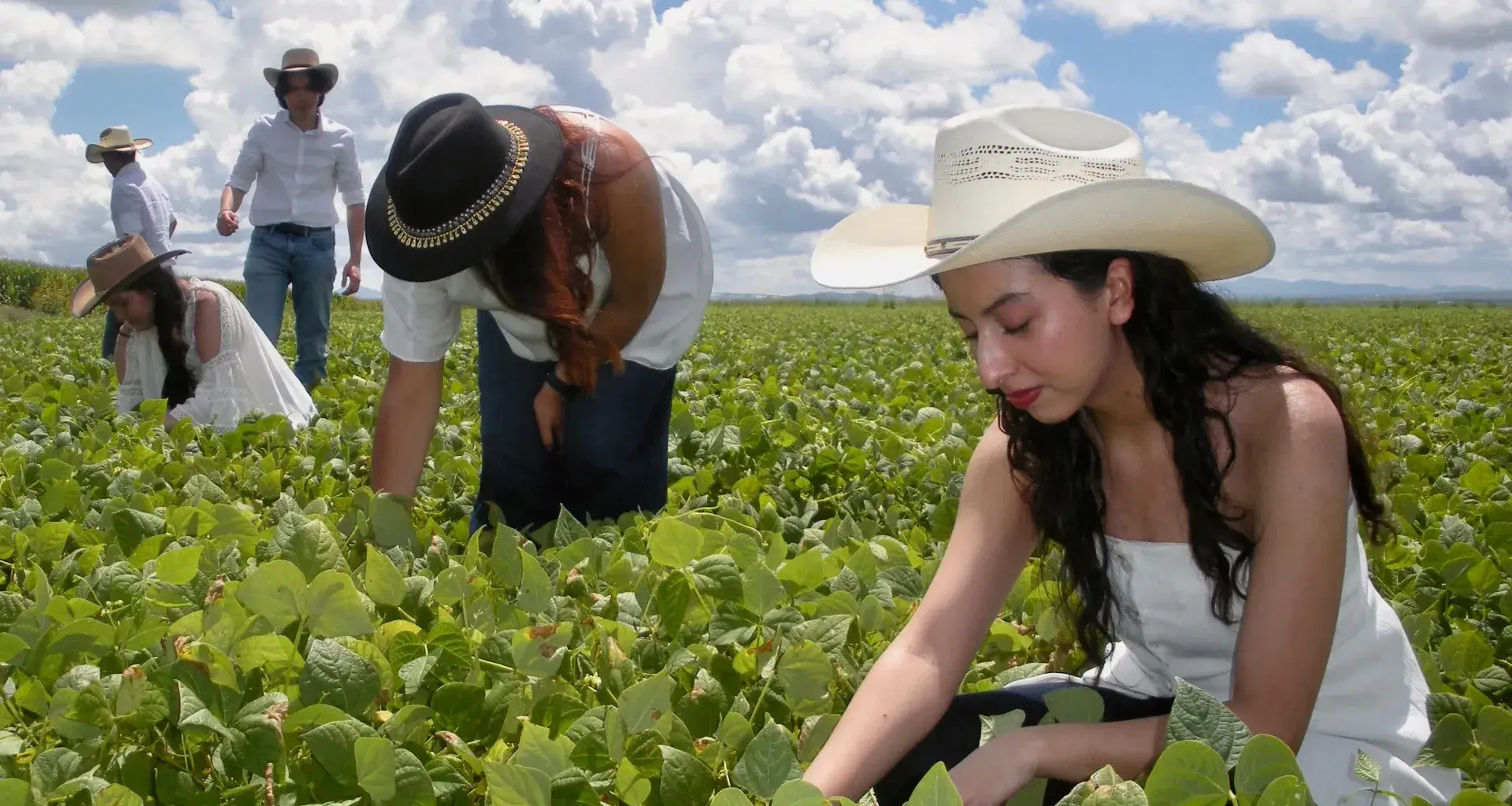

With Phasea, an ecological plant protein solution, Tec students have won their seventh gold medal at the international synthetic biology competition.
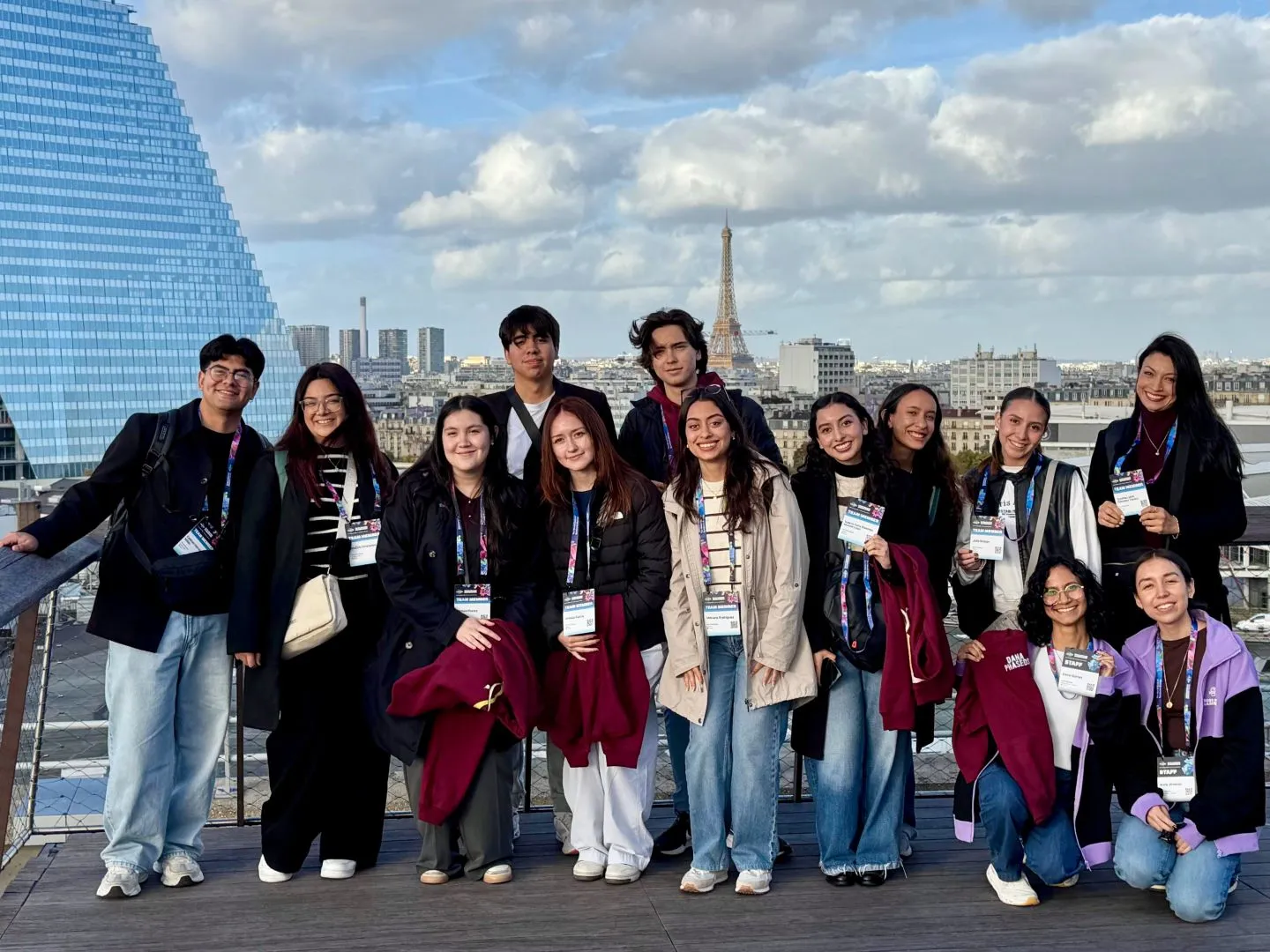
Tec-Chihuahua´s Team PHASEOS has won the gold medal at iGEM 2025, an international competition which was held in Paris.
Cynthia González, a professor at the Chihuahua School of Engineering and Sciences and main advisor to Team PHASEOS, says that the campus’ seventh consecutive gold medal at iGEM, “is not a streak or a coincidence but the reflection of talented, disciplined, and resilient students who put their effort into the project.”
iGEM Grand Jamboree is the “world’s largest synthetic biology competition.” It is an international competition in which young people from 66 countries and over 400 teams participated this year.
In its 2025 edition, a group of students from the Chihuahua campus presented Phasea, a product designed to preventanthracnose, a disease caused by a fungus that affects plants such as beans, in both Mexico as well as in other countries.

Biotechnology with roots in the field
Phasea works as a biofungicide made from plant-based proteins and formulated as a powder that can be stored for several months. This was made possible thanks to synthetic biology techniques and an encapsulation process that protects its components.
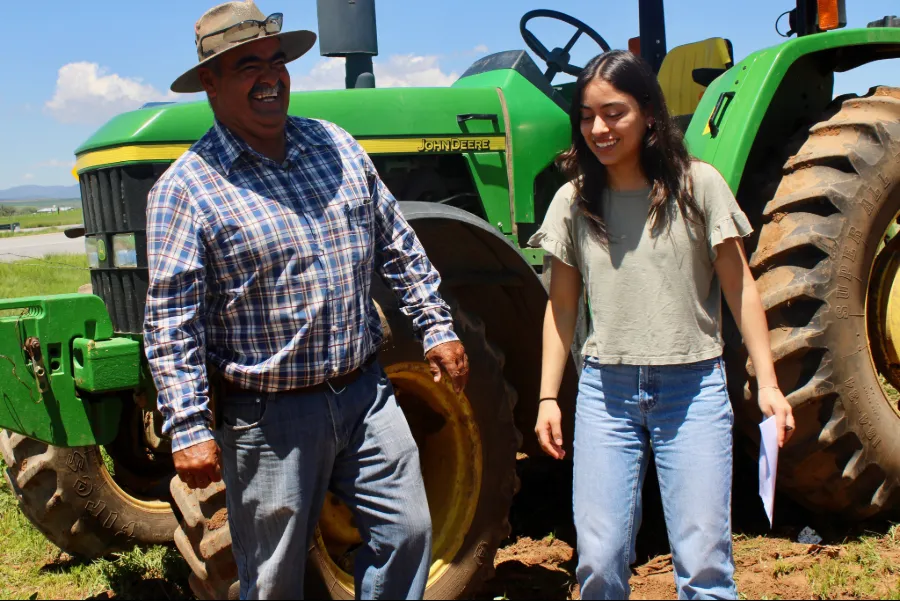
Before and during product development, PHASEOS members consulted more than 60 people, including farmers, distributors, researchers, as well as professionals in the cultural, gastronomic, and ethical fields.
They also participated in events such as Chihuahua TechWeek,a technology, innovation, and entrepreneurship gathering; and took part in the Foro Global Agroalimentario (Global Agrifood Forum), a meeting platform for analyzing trends, challenges, and opportunities in the agriculture sector.
“We chose to develop a preventative product thanks to conversations with farmers, who showed us what they really needed,” says Mariana Rodríguez, a Biotechnology Engineering student and Human Practices leader on team PHASEOS.
The action plan: Scaling the solution and educating
With support from the Eugenio Garza Lagüera Institute of Entrepreneurship, the students who make up PHASEOSdesigned a distribution model that includes agristores and rural cooperatives. They also assessed expansion opportunities for Mexico and Latin America.
“We saw genuine interest from farmers and distributors. Phasea could become a company that protects Chihuahuan and Mexican beans,” says Cristina Granados, an International Business student.
“We developed a preventative product thanks to conversations with farmers. They showed us what they really needed.” - Mariana Rodriguez
Now, the next steps include conducting field tests in Chihuahua during 2026, collaborating with institutions in Colombia, and adapting their technology for other crops such as tomatoes, mangoes, and potatoes.
The team also aims to promote educational programs for farmers and discuss the creation of a regional cluster dedicated to beans.
Diversity as an advantage: The DNA of team PHASEOS
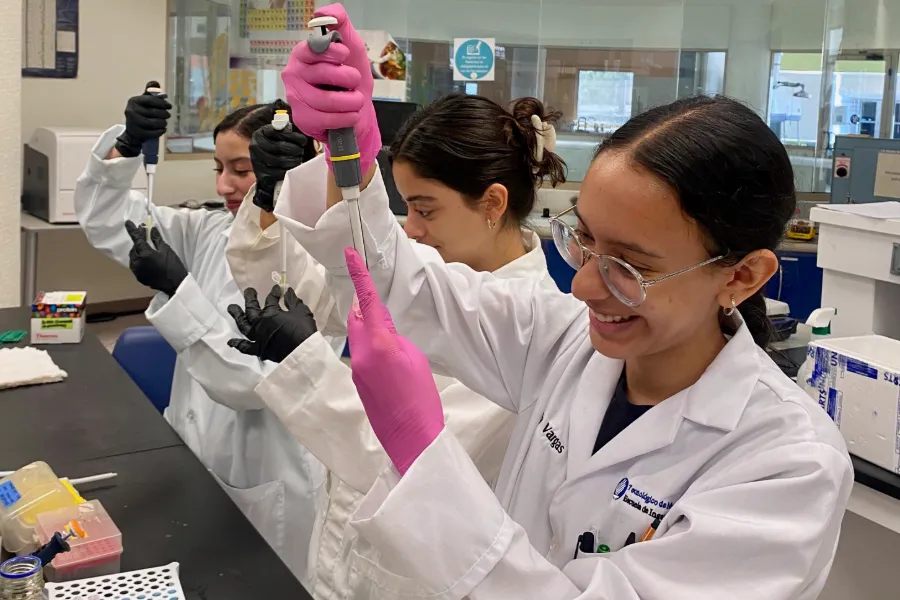
PHASEOS is a multidisciplinary team made up of students from 6 degree programs at the Tec: Biotechnology, Chemistry, Computational Technologies, Mechatronics, International Business, and Finance.
The team includes Macris Granados, Esteban Hernández, Julia Roldán, Mariana Rodríguez, Amada García, Valeria Sánchez, Priscila Vargas, Daniela Ponce, Jesús Herrera, and Francisco Huerta.
“This year the team was greatly enriched by integrating students from very different programs. Learning new ways of thinking and communicating strengthened the project,” says Professor Cynthia González.
“Integrating students from very different programs allowed us to learn new ways of thinking and communicating.” - Cynthia González
This, among other things, as Priscila Vargas, a Chemical Engineering student, explains, allowed them to place emphasis on making their solution friendly and sustainable whilst in development.
“We chose to use materials produced naturally by bean plants so that the product doesn’t harm beneficial fungi and microorganisms in the soil.”
More than just an acronym: The philosophy behind PHASEOS
Although you might think that PHASEOS comes from the scientific name for the common bean, Phaseolus vulgaris, the truth is that the word refers to Protecting Health and Agriculture through Sustainable Engineering and Open Science.
This is PHASEOS’ vision: “We imagine a future where bean production is secure and sustainable and where farmers have the right tools to protect their crops without harming the environment,” they say on the project’s website.
It’s worth mentioning that iGEM (International Genetically Engineered Machine) is an international science competitionfounded at the Massachusetts Institute of Technology (MIT) in 2003.
iGEM brings together hundreds of students from over 50 countries each year. Their goal is for the teams to “develop innovative solutions using biotechnology in areas such as health, agriculture, and the environment.”
ALSO READ:
Seleccionar notas relacionadas automáticamente
1
Category:
Related stories