

Seven educational innovation initiatives from Latin American universities were presented at the Latin America Innovation Showcase.
In collaboration with Quacquarelli Symonds (QS), Tec de Monterrey has presented the Latin America Innovation Showcase to recognize Latin American institutions that have excelled in educational innovation at the higher education level.
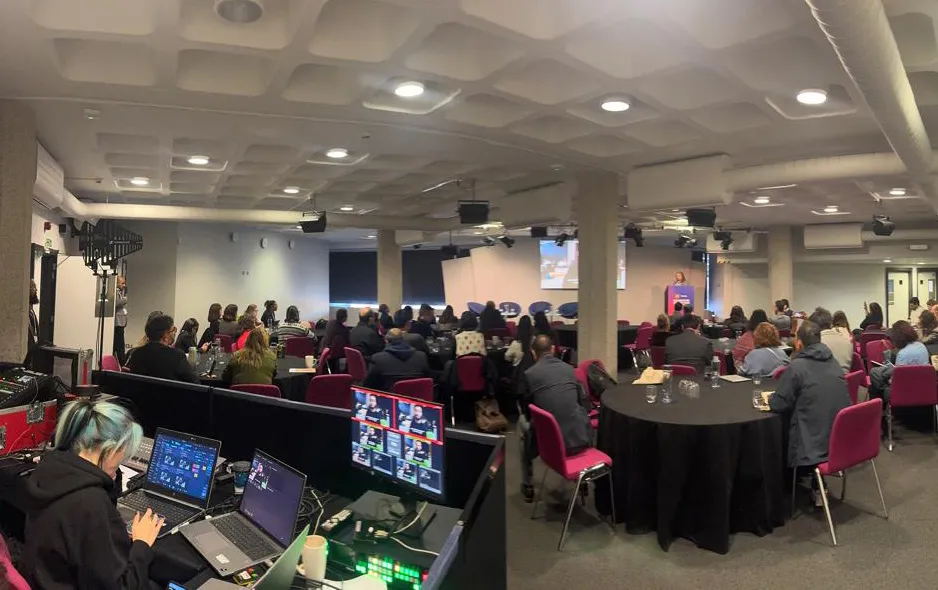
During the event, part of the QS Reimagine Education Awards & Conference 2025 held in London, UK, the Tec presented seven projects from Latin American universities that stand out for their innovation.
These seven initiatives seek to transform the teaching-learning process and solve educational challenges in Latin America.
“This initiative was created to show that Latin America is united, offering innovative projects and improving the quality of education, which will make us stronger and strengthen the region,” said Beatriz Palacios, Director of Educational Innovation and Digital Learning at Tec de Monterrey.
It should be noted that the projects were selected by a panel of specialists from both Tec de Monterrey and Quacquarelli Symonds.
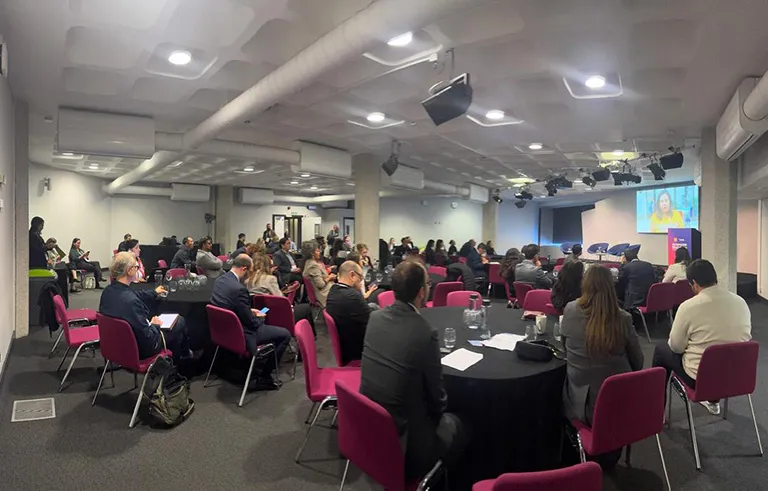
“We realized something: the presence of our institutions is noticeable when we have an award, but Latin America as a region isn’t represented because very few universities were present,” added Palacios.
In addition to innovation, the impact and viability of each proposal were taken into account when selecting the projects presented at the international forum.
These seven projects were presented at the Latin America Innovation Showcase: Spotlighting Transformative Practices in Higher Education. The initiatives came from the following higher education institutions:
- Federico Santa María Technical University (Chile)
- University of Los Andes (Colombia)
- Pontifical Catholic University of Chile (Chile)
- Central University of Chile (Chile)
- Key Institute (El Salvador)
- Pontifical Catholic University of Rio Grande do Sul – PUCRS (Brazil)
Anáhuac Online (Mexico)
It is important to note that the authors of these proposals were invited to present their initiatives in London at the Latin America Innovation Showcase.
Highlighting educational innovation in Latin America
“The goal of the Latin America Innovation Showcase is to highlight educational innovations at Latin American universities.
“Bringing them to a prestigious forum is important so that others can learn from what’s being done in the region, which is contributing to education and helping to address different challenges,” said Patricia Aldape, Director of Learning Experience Innovation at the Tec.
Leticia Castaño, leader of Educational Innovation, spoke about the selection process for the projects presented at this forum, which recognizes innovation in Latin American education.
“It was launched through a call for entries throughout Latin America, and we had a very good response. Finally, in a selection process, seven projects from five countries were chosen that represent the best we have in the region.
“Right now, we have been joined by countries such as Mexico, Chile, Colombia, El Salvador, and Brazil, and we hope this will be the first of many forums,” said Castaño.
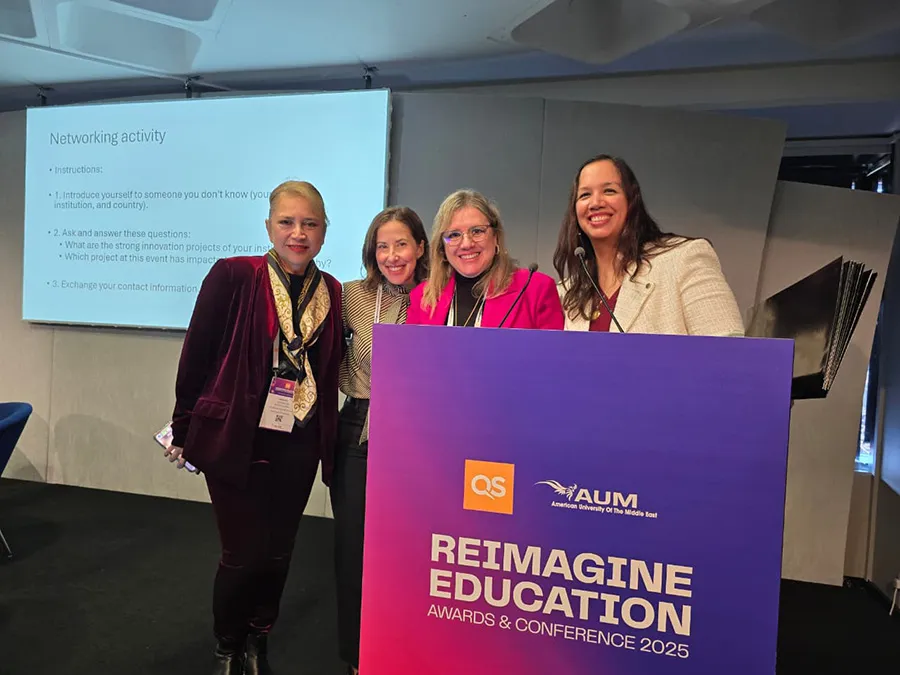
The seven projects of the Latin American Innovation Showcase
The initiatives from Latin American universities that were selected to be presented at the Latin America Innovation Showcase held in London were:
- Federico Santa María Technical University (Chile)
The proposal from the Federico Santa María Technical University seeks to improve data science education through immersive, interactive, and hands-on learning experiences.
This project, called StatVerse: A Metaverse for Data Science, which is a metaverse that integrates Virtual Reality and Statistical Computing, receivedrecognition in the Immersive Experiential Learning (xr, metaverse, gaming) category.
“I’m very happy to have participated in this forum and to have met researchers and professors from different parts of the world who are working on different applications.
“I presented my project, which is a statistical probability laboratory, and I’m happy to meet people from Tec de Monterrey, who are our closest neighbors,” explained Professor Ronny Vallejos, leader of the initiative.
- Anáhuac Online (Mexico)
GPT as a Metacognitive Competence-Building Engine was selected in the Best Use of Generative AI category.
This project is a performance-based simulation supported by assessment resources for learning through metacognitive tutoring, ethical persuasion, and guided decision-making.
“For us, this event is a great opportunity to showcase the innovation our professors are working on and to see other innovations in Mexico, Latin America, and the rest of the world.
“Thanks to Tec de Monterrey for inviting us. We presented a project related to generative artificial intelligence to support students and teachers,” said Jorge Sánchez from Anáhuac Online.
- Key Institute (El Salvador)
The Key Institute project is a combination of workshops, mentoring, and co-curricular activities within a 7-dimensional framework for machine learning and its impact in order to drive improvement in education.
WELL + Machine Learning: Enhancing Wellbeing in Engineering Students is the name of the project that was selected in the Nurturing Wellbeing and Purpose category.
- Pontifical Catholic University of Rio Grande do Sul – PUCRS (Brazil)
The IDEAR Project – Interdisciplinary Entrepreneurship and Innovation Lab was selected in the Blended and Presence Learning category.
This project develops entrepreneurial skills in Latin America, combining learning, creativity, and collaboration to foster innovation and impact.
- University of Los Andes (Colombia)
In the category Microcredentials and Alternative Credentials in Education, the project by the University of Los Andes, Flexible Pathways to Postgraduate Studies: Uniandes Experience, was selected to be presented at the global forum.
The project redesigns graduate courses into stackable microcredentials that connect continuing education and formal education, promoting flexible pathways and skills relevant to the job market.
“The opportunity arose to show that our region has high-quality education.” – Beatriz Palacios
- Pontifical Catholic University of Chile
Their project, Integrity Ecosystem: Promoting Academic Integrity, was part of the Nurturing Wellbeing & Purpose category.
The project consists of a gamified, data-driven ecosystem that promotes ethical decision-making and academic integrity in the field of health sciences.
“We were able to present our project, which is a tool that seeks to teach and learn in a gamified way.
“This has allowed us to network with academics in Latin America and around the world who are thinking about new ways and tools to take education into the future,” said Daniela Abello, professor at the School of Health Sciences at the Pontifical Catholic University of Chile.
- Central University of Chile
With the initiative Docente iLex: AI for Teaching Innovation in Legal Education, the Central University of Chile was selected in the Best Use of Generative AI category.
“We saw the tools and experiences of universities in the field of technology and education.
“We presented a platform for teaching law that helps professors generate authentic assessments and provide more direct feedback to their students,” said Gonzalo Álvarez, a research professor at the Central University of Chile.
The project consists of an Artificial Intelligence-powered platform that helps law professors create materials, plan curricula, and assess learning, promoting more interactive, contextualized, and student-centered teaching experiences.
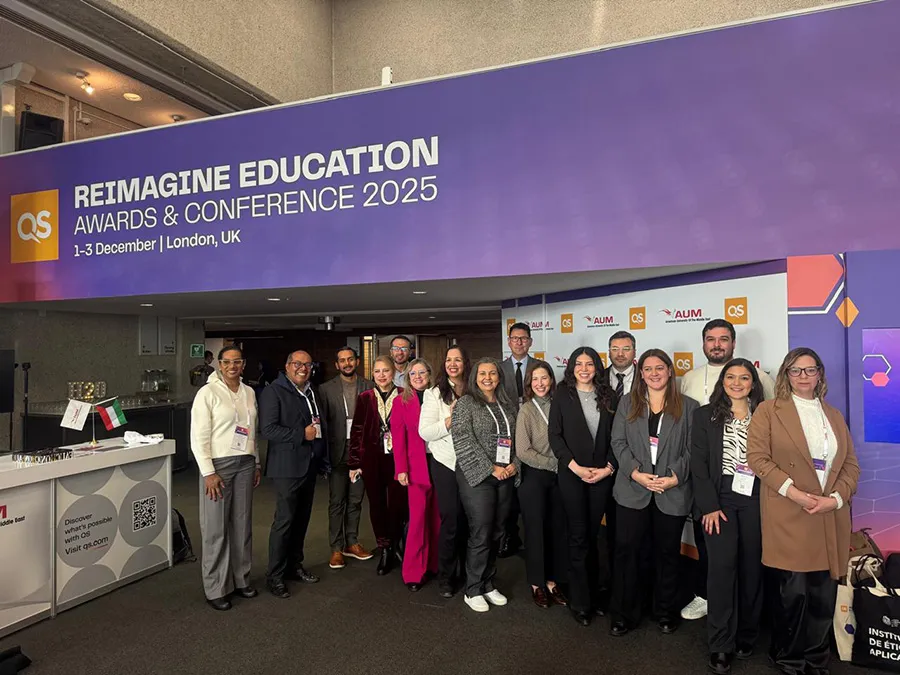
For Beatriz Palacios, the forum was a great opportunity for higher education in Latin America, and she thanked the professors for participating in the Latin America Innovation Showcase.
“We would like to congratulate all participants for their incredible contributions. Their projects reflect a deep commitment to innovation and continuous improvement in education in Latin America.
“An opportunity arose to show that our region has high-quality education, that there are universities promoting educational innovation, and that we’re stronger together.”
Patricia Aldape added:
“We’re excited to offer this space for the Latin American educational community to share the projects that are transforming education in their institutions.
“These are projects with high innovative value and potential to generate changes in the teaching process, positively impacting the way students learn.”
It should be noted that Meg Hamel, Vice President of Education at QS, was present at the Forum.
ALSO READ:
Seleccionar notas relacionadas automáticamente
1
Category:
Related stories